
7 Dietary Changes to Manage Rosacea Flares
Last Updated: October 25, 2026
Quick Summary
Dietary changes to manage rosacea flares involve identifying and eliminating trigger foods like spicy peppers, alcohol, and hot beverages that cause vasodilation and flushing, while adding anti-inflammatory foods like omega-3 rich fish and antioxidant-rich vegetables. A food diary tracking meals and skin responses over 2-3 weeks is the most effective tool for discovering your personal triggers.
- Track foods, timing, and skin reactions in a diary for 2-3 weeks to identify your personal rosacea triggers.
- Eliminate one suspected trigger food at a time for 2-3 weeks, then reintroduce it to confirm if it causes flares.
- Add anti-inflammatory foods including salmon, flaxseeds, berries, and leafy greens to reduce overall inflammation.
- Avoid hot beverages, spicy foods, red wine, aged cheeses, and fermented products that commonly trigger rosacea.
- Eat smaller meals at room temperature or cold, stay hydrated with room-temperature water, and allow several hours between meals.
Table of Contents
- How Diet Affects Rosacea Symptoms
- Common Foods That Trigger Rosacea
- Foods to Avoid With Rosacea
- Starting a Rosacea Food Diary
- Anti-Inflammatory Foods That Support Skin Health
- How to Reduce Rosacea Flare-Ups Through Nutrition
- Building Your Rosacea-Friendly Skincare and Diet Plan
- Frequently Asked Questions
How Diet Affects Rosacea Symptoms
Dietary changes to manage rosacea flares can be one of the most powerful tools you have to reduce the frequency and severity of your skin's reaction.
Once you understand which foods activate your skin's inflammatory response, you can make targeted dietary changes to manage rosacea flares.
The mechanism is straightforward: some foods dilate blood vessels, others trigger histamine release, and still others activate inflammatory compounds in your body. Your face, being highly vascular and sensitive, shows these reactions first.
Common Foods That Trigger Rosacea
Not every food triggers rosacea in every person. This is critical to understand. Your triggers are personal. But research and clinical experience have identified a consistent group of foods that cause problems for most people with rosacea.
The most common culprits fall into a few categories: foods that generate heat in the body, foods high in histamine, foods that dilate blood vessels, and foods that activate inflammatory pathways.
Spicy Foods and Capsaicin
Spicy foods are the most obvious trigger. Capsaicin, the compound that makes peppers hot, does more than create a burning sensation on your tongue. It triggers vasodilation, meaning it widens blood vessels. Your face is packed with small blood vessels close to the skin's surface.
This doesn't mean you need to eliminate all heat from your diet. Some people tolerate mild spice without issue. Others find that even a small amount of black pepper causes visible flushing within minutes. Track your individual response. Start by reducing or removing the obvious culprits:
- Chili peppers and hot sauces
- Black pepper and cayenne
- Ginger in large amounts
- Wasabi and horseradish
- Jalapeños and habaneros
The intensity matters. A pinch of paprika might be fine. A tablespoon of chili powder will likely trigger a flare. Your food diary will show you exactly where your personal threshold sits.
Alcohol and Red Wine
Alcohol is a vasodilator. It widens blood vessels throughout your body, but your face shows the effect most visibly.
Histamine accumulates in fermented and aged foods and drinks. Red wine has both alcohol and high histamine. Beer, whiskey, and brandy follow.
Some people find they can tolerate small amounts of lower-histamine alcohol. Others need to eliminate it entirely. Even one glass of red wine can trigger a flare that lasts for hours or days.
Hot Beverages and Temperature
Temperature itself is a trigger, independent of what's in the drink. Hot coffee, hot tea, hot soup, and hot chocolate all cause vasodilation.
This is one of the easiest triggers to manage: drink your beverages at room temperature or cold. Switch to iced coffee instead of hot. Drink room-temperature water instead of hot tea.
Soups and stews pose a double problem. The heat of the food triggers vasodilation, and many soups contain spices or other inflammatory ingredients.
Caffeine and Coffee
Caffeine is a mild vasodilator and a stimulant that can activate your nervous system in ways that trigger flushing.
The effect varies. Some people with rosacea tolerate caffeine fine. Others find that even a single cup of coffee triggers visible redness within 30 minutes.
If you love coffee, try cold brew or iced coffee at room temperature. The temperature reduction alone often helps.
These food categories are most likely to trigger rosacea flares in people with the condition.
| Trigger Category | Primary Mechanism | Common Examples |
|---|---|---|
| Spicy Foods | Vasodilation via capsaicin | Chili peppers, hot sauces, cayenne, jalapeños |
| Alcohol | Vasodilation and histamine | Red wine, beer, whiskey, brandy |
| Hot Beverages | Temperature-induced vasodilation | Hot coffee, hot tea, hot chocolate |
| Caffeine | Mild vasodilation and stimulation | Coffee, caffeinated tea |
| Acidic Foods | Acidity and histamine | Citrus fruits, tomatoes, vinegars |
| Fermented Foods | High histamine content | Aged cheeses, cured meats, soy sauce, miso |
| Yeast Products | Histamine from fermentation | Yeast-based breads and products |
Foods to Avoid With Rosacea
Beyond the major trigger categories, certain foods are consistently problematic for people managing rosacea. These foods to avoid with rosacea include:
- Citrus fruits and juices (acidity and histamine)
- Tomatoes and tomato-based sauces (acidity and histamine)
- Chocolate (histamine and caffeine)
- Aged cheeses (high histamine)
- Cured and processed meats (nitrates and histamine)
- Vinegars and fermented condiments (histamine)
- Soy sauce and miso (histamine)
- Yeast-based products (histamine)
- Marinated meats and fish (histamine from fermentation)
- Nuts in large quantities (can be inflammatory for some)
This list looks long, but remember: not every food affects every person. Your job is to identify which ones affect you specifically. That's where a food diary becomes invaluable.
Starting a Rosacea Food Diary
A rosacea food diary is the single most useful tool you have for identifying your personal triggers. It removes guesswork. Instead of wondering whether something caused a flare, you have data.
A simple food diary tracks three things: what you ate, when you ate it, and what happened to your skin. Over 2-3 weeks, patterns emerge. You'll see which foods consistently trigger flares and which ones you tolerate fine.
What to Track and How
Your rosacea food diary doesn't need to be complicated. Use a notebook, a spreadsheet, or a notes app on your phone. Record:
- Time of meal or snack
- Exact foods and drinks consumed (include portion sizes and preparation method)
- Skin response (note any redness, flushing, burning, or stinging that occurs in the next 2-4 hours)
- Severity (mild, moderate, or severe)
- Other factors (stress level, sleep, sun exposure, skincare products used)
The other factors matter because rosacea flares have multiple triggers. A food might cause a mild reaction on its own but a severe one when combined with stress or sun exposure.
Track for at least 2-3 weeks before you start eliminating foods. You need a baseline of what's happening now. Then you can make changes and see what improves.
The Elimination and Reintroduction Process
Once you've identified likely triggers from your food diary, the elimination and reintroduction process helps confirm which foods actually cause your flares.
Pick one suspected trigger food and eliminate it completely for 2-3 weeks. Keep tracking your skin. If your flares decrease noticeably, that food is likely a trigger for you. Then reintroduce it in a small amount and watch what happens.
Epicutis - Lipid Serum (1 oz) →
This process takes time, but it's the only way to build a personalized list of foods you need to avoid. What triggers your neighbor's rosacea might not trigger yours.
Eliminate and reintroduce one food at a time. If you change multiple things at once, you won't know which change made the difference.
Anti-Inflammatory Foods That Support Skin Health
While you're identifying and eliminating trigger foods, focus on adding anti-inflammatory foods that support your skin's health. These foods reduce overall inflammation in your body, which helps calm rosacea from the inside.
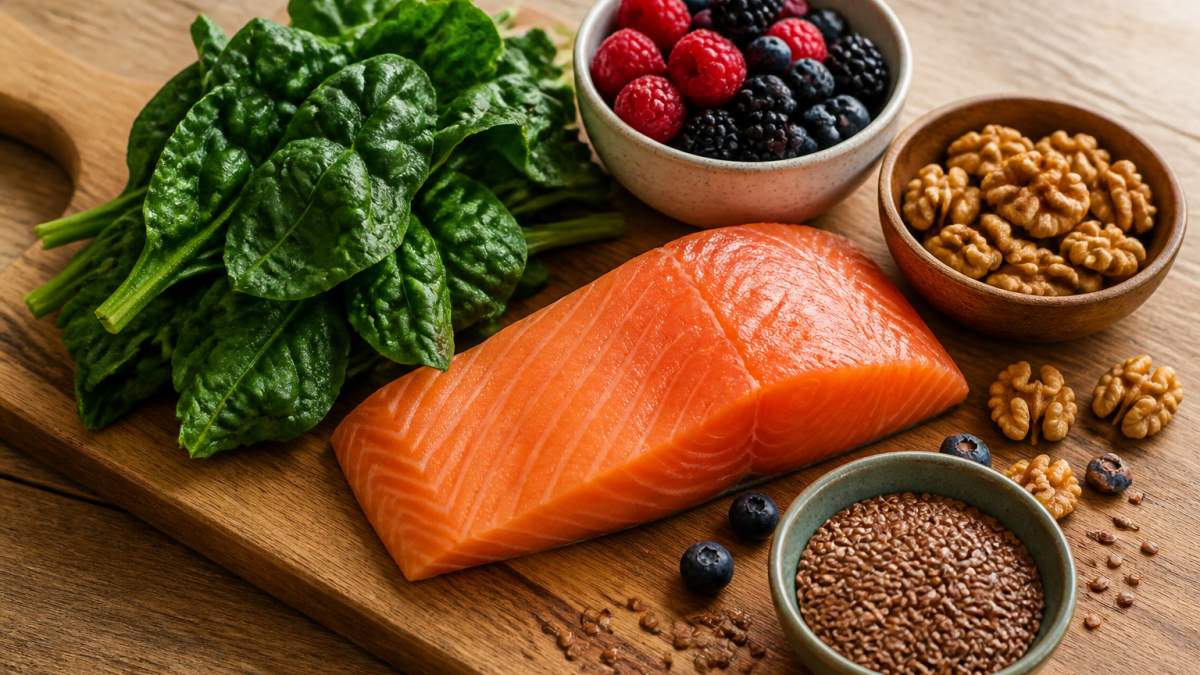
Omega-3 fatty acids are particularly powerful. They reduce inflammatory markers in your blood and support skin barrier function. Include:
- Salmon and fatty fish (2-3 times per week)
- Flaxseeds and chia seeds (daily)
- Walnuts (small handful daily)
- Olive oil (use in dressings and cooking)
Antioxidant-rich foods combat the oxidative stress that fuels inflammation. You can also apply soothing topical products to support your dietary efforts. Focus on:

- Berries (blueberries, raspberries, strawberries)
- Dark leafy greens (spinach, kale, arugula)
- Fresh vegetables (broccoli, bell peppers, carrots)
- Green tea (cooled or at room temperature)
Probiotic foods support gut health, which influences skin health. Include:
- Yogurt with live cultures
- Sauerkraut and kimchi
- Kefir
- Miso (in moderation, as it's fermented)
The goal isn't perfection. It's adding enough anti-inflammatory foods that your overall diet supports calm skin rather than inflaming it. Most people see improvement when they combine trigger elimination with anti-inflammatory food addition.
How to Reduce Rosacea Flare-Ups Through Nutrition
Reducing rosacea flare-ups through nutrition requires a two-part approach: eliminate triggers and add supportive foods.
Eat smaller, more frequent meals rather than large ones.
The National Rosacea Society recommends keeping detailed records of your flares and food intake to identify personal patterns.
Pay attention to food temperature and preparation. A cold salad with salmon and olive oil supports your skin.
Some people find that spacing meals helps.
Hydration matters. Dehydration triggers flushing.
Building Your Rosacea-Friendly Skincare and Diet Plan
Your dietary changes to manage rosacea flares work best when paired with a consistent skincare routine designed for sensitive, inflamed skin.
Start with a minimalist approach. Explore a comprehensive guide to treating rosacea-prone skin that covers both diet and skincare treatment options.
Look for products that calm inflammation, strengthen your skin barrier, and provide sun protection. The American Academy of Dermatology emphasizes that sun protection is critical for rosacea management, as UV exposure is a major trigger.
Consider products like Epicutis Lipid Serum, which uses a patented lipid technology to calm inflammation and strengthen your skin barrier while deeply hydrating.

Follow with a moisturizer designed for sensitive skin.
Daily sun protection is non-negotiable. Use mineral sunscreen as part of your comprehensive flare prevention strategy.
For extra calming support, HydroPeptide Soothing Serum uses peptide technology and botanical extracts to reduce redness and support skin resilience.

Your complete plan looks like this: Learn how to treat rosacea redness safely with a step-by-step approach that integrates with your dietary strategy.
- Identify your food triggers through a 2-3 week food diary
- Eliminate confirmed triggers and track improvement
- Add anti-inflammatory foods to support skin health
- Use targeted skincare designed for rosacea and sensitive skin
- Protect from sun daily with mineral SPF
- Be consistent for 4-6 weeks before expecting major improvement
Dietary changes to manage rosacea flares take time to show results. Your skin has been reactive for a while.
Research from the National Institute of Health on rosacea and diet confirms that personalized dietary modification is one of the most effective non-pharmaceutical interventions for managing rosacea symptoms long-term.
Track your progress. Take photos of your skin every two weeks. Note flare frequency and severity.
Managing rosacea through dietary changes requires identifying your personal triggers and building a sustainable eating pattern around them.
Frequently Asked Questions
What foods make rosacea flare?
Common rosacea triggers include spicy foods (which contain capsaicin), hot beverages, alcohol especially red wine, caffeine, and chocolate. However, triggers vary widely between individuals. Foods that cause facial flushing in one person may not affect another. Temperature plays a role too, both hot foods and drinks can trigger flare-ups. Marinated meats, cinnamon, and vanilla are also reported triggers. The best approach is tracking your personal responses through a food diary to identify which specific foods exacerbate your symptoms.
How can I tell whether a food is triggering my rosacea?
Start a food diary and record what you eat, the time, and any skin redness or flare-ups that follow within 24 hours. Note the temperature and spice level of foods too, as these factors matter. Track for 2-4 weeks to spot patterns. After identifying potential triggers, eliminate one food at a time for 2 weeks, then reintroduce it to confirm whether it causes a reaction. This structured process helps distinguish true triggers from coincidental flare-ups, since rosacea can flare for multiple reasons.
What foods are less likely to trigger rosacea symptoms?
Anti-inflammatory foods support skin health and rarely trigger flare-ups. These include fatty fish like salmon (rich in omega-3 fatty acids), leafy greens, berries, walnuts, flaxseeds, probiotic foods like yogurt and sauerkraut, and fresh fruits and vegetables. Cool or room-temperature foods are safer than hot ones. Bland, mild-flavored foods generally pose less risk. Focusing your diet on these nutrient-dense options not only avoids triggers but also provides antioxidants and omega-3s.
How long should I track foods to identify rosacea triggers?
Aim to keep a food diary for at least 2-4 weeks to establish clear patterns. Rosacea flare-ups can occur within hours of eating a trigger food, but some reactions take up to 24 hours. Tracking for a full month captures enough data to spot which foods consistently precede flare-ups. After identifying suspects, eliminate each one individually for 2 weeks, then reintroduce it to confirm it's truly a trigger. This methodical approach prevents unnecessary dietary restriction while building confidence in your personal trigger list.
