
Peptides for Skin: Benefits, Evidence, and Results
What Peptides Are and How They Work in Skin Care
Peptides are short chains of amino acids that act as chemical messengers in your skin, making peptides for skin an effective approach to supporting collagen production and improving elasticity. When applied topically, they signal your skin cells to perform specific functions, supporting collagen production, improving elasticity, or reducing the appearance of fine lines.
At OC Skin Source, we've curated peptide serums that deliver measurable results because they're formulated with the right peptide types for specific concerns.
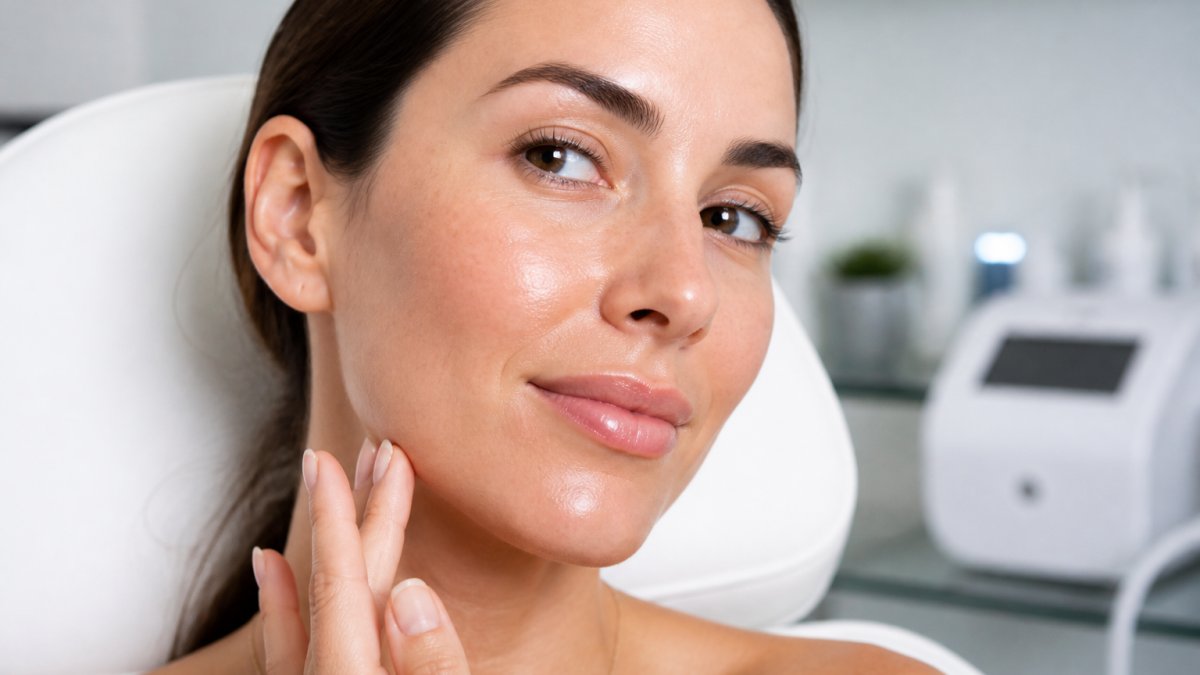
Short Chains of Amino Acids
Your skin is built from proteins. Peptides are fragments of those proteins, typically 2 to 50 amino acids linked together. Because they're smaller than full proteins, they can penetrate the skin barrier more effectively than larger molecules. This is why peptides appear in serums and creams rather than just toners or rinses.
The amino acid sequence matters tremendously. A peptide with five specific amino acids arranged in one order will behave completely differently from the same five arranged differently.
Signal Peptides, Carrier Peptides, and Neurotransmitter-Inhibiting Peptides
Peptides function in distinct ways depending on their structure. Signal peptides communicate directly with fibroblasts (the cells that produce collagen and elastin), essentially telling them to increase production. Carrier peptides transport minerals and other beneficial compounds deeper into the skin. Neurotransmitter-inhibiting peptides work differently, they relax the facial muscles that create expression lines, similar in concept to how injectable treatments work, but through a gentler topical mechanism.
Many skincare products mix peptide types without explaining which does what. That's a red flag. Effective formulas are intentional about peptide selection. The Journal of Cosmetic Dermatology has documented that multi-peptide formulas targeting different pathways deliver better visible results than single-peptide products.
Collagen, Elastin, and Skin Firmness
Collagen is the structural protein that gives skin its firmness. Elastin provides bounce and resilience. Both decline with age, you lose roughly 1% of skin collagen annually after 25. Peptides can't replace lost collagen directly, but signal peptides trigger your skin to produce more of its own.
The result is firmer-looking skin with improved facial contours. Products like the PCA SKIN ExLinea Pro Peptide Serum combine signal peptides with hydrating ingredients to address both the structural loss and the surface dehydration that makes aging skin look dull.

Elastin recovery is slower than collagen response, typically showing visible improvement after 8-12 weeks of consistent use. Patience matters here. Rebuilding takes time, but it compounds.
How to Use Peptides in Skincare
Peptides work best in a simplified routine. Overloading your skin with conflicting actives undermines their effectiveness. The standard sequence is: cleanser, toner, peptide serum, moisturizer, sunscreen (morning) or peptide serum, eye cream, night cream (evening).
Peptide serums should be applied to clean, damp skin. The moisture helps them absorb more effectively. Wait 60-90 seconds before applying your moisturizer, this brief window lets peptides penetrate without being diluted by heavier products layered on top.
Formulation and Skin Penetration
Not every peptide serum performs equally. Formulation determines whether peptides actually reach viable skin cells or sit on the surface. Molecular weight matters, smaller peptides penetrate better, but they're less stable. Larger peptides are more stable but harder to absorb.
Stabilizing agents preserve peptides during storage. Heat, light, and oxygen degrade them.
The HydroPeptide Power Serum uses multiple peptide complexes with antioxidant support, which protects the active ingredients from degradation. This formulation strategy extends shelf life while maintaining efficacy.

Ingredient Compatibility and Routine Sequencing
Peptides pair well with hydrating ingredients like hyaluronic acid and glycerin. They work alongside niacinamide and panthenol without conflict.
If you're using a retinoid or prescription-strength vitamin C, use peptides on alternate nights or in the morning. This prevents over-stimulation and gives each active room to work.
The PCA SKIN ExLinea Peptide Smoothing Serum is designed to integrate into most routines without conflict. Its formula includes hydrating ingredients that complement, rather than compete with, other products.

How Long Do Peptides Take to Work
Most people notice initial hydration improvements within 1-2 weeks when using peptides for skin care consistently. This is surface-level plumping from the moisturizing ingredients in the serum, not structural change. Real collagen and elastin support takes longer.
Visible firmness improvements typically emerge around 6-8 weeks with consistent daily use. Fine lines appear softer. Skin texture becomes smoother.
By 12 weeks, most users report noticeable improvements in skin resilience and the overall appearance of fine lines. Some see continued improvement through 16-20 weeks as collagen production accumulates. This timeline assumes consistent use; skipping applications extends the timeline proportionally.
Peptides vs Vitamin C for Anti-Aging
Both peptides and vitamin C address aging skin, but through different mechanisms. Vitamin C is an antioxidant that brightens, protects from environmental damage, and supports collagen synthesis through a different pathway than peptides. Peptides directly signal collagen production and address elastin.
The choice isn't either-or. Many effective anti-aging routines use both. Apply vitamin C in the morning for antioxidant protection and brightening, then use peptides at night when collagen production naturally increases. Alternatively, use peptides morning and night if your skin tolerates that frequency, and reserve vitamin C for 2-3 times weekly if you have sensitivity concerns.
Vitamin C is more irritating for sensitive skin. Peptides are gentler, making them a better starting point if you're new to active ingredients.
Clinical Evidence and Realistic Outcomes
The research on topical peptides is growing but remains fragmented. Understanding what clinical evidence actually supports requires separating three categories: laboratory studies, small human trials, and real-world outcomes.
PCA SKIN - ExLinea® Pro Peptide Serum (30 ml) - Available in Deluxe Travel Size →
Laboratory Evidence vs. Human Clinical Outcomes
Most published peptide research occurs in vitro (in test tubes or cell cultures) or in animal models. These studies consistently show that signal peptides increase collagen and elastin production in fibroblasts, and that carrier peptides successfully transport minerals into skin layers.
Human clinical trials on peptide products are fewer and often smaller than trials for retinoids or vitamin C. A 2021 review in the International Journal of Cosmetic Science identified that most published human studies involved 20-60 participants over 4-12 weeks. While these trials generally report improvements in hydration, elasticity, and fine-line appearance, the effect sizes are modest, typically a 10-20% improvement in measured skin firmness or wrinkle depth, not dramatic transformation.
Which Benefits Are Well-Supported
Hydration and moisture retention: Strong evidence. Peptides function as humectants and support the skin barrier, improving water retention within 1-2 weeks. This is the most reliable and fastest-appearing benefit.
Elasticity and resilience: Moderate evidence. Multiple studies show measurable improvements in skin elasticity scores (often measured via cutometry or ultrasound) after 6-12 weeks of consistent use.
Fine-line appearance: Moderate evidence. Signal peptides do stimulate collagen production, and users often report softer-looking lines after 8-12 weeks.
Skin firmness and facial contours: Emerging evidence. Some studies using 3D imaging show modest improvements in skin firmness and jawline definition after 12+ weeks, but the effect is smaller than what retinoids or professional treatments deliver.
Which Benefits Remain Preliminary
Collagen rebuilding to pre-aging levels: Preliminary. While peptides do increase collagen synthesis, no topical product restores collagen to youthful levels. The 1% annual loss after age 25 compounds over decades; a topical serum cannot reverse that entirely. Realistic expectation: slowing further decline and modest structural improvement, not full restoration.
Reduction of deep wrinkles or severe sun damage: Preliminary. Peptides work best on fine lines and early-stage aging. Deep wrinkles require either professional treatments (microneedling, laser, injectables) or prescription retinoids at higher concentrations than most serums contain.
Prevention of future aging: Preliminary. While peptides support collagen production, the evidence for prevention (versus treatment of existing aging) is limited. Sunscreen, retinoids, and antioxidants have stronger preventive data.
Study Limitations and What They Mean
Most peptide studies are funded by skincare companies, which introduces potential bias toward positive results. Additionally, many studies measure surrogate endpoints (collagen production in a lab, elasticity via machine) rather than consumer-visible outcomes. A product might increase collagen synthesis measurably but deliver imperceptible visual change if peptide concentration is too low or formulation stability is poor.
Study duration also matters. A 4-week trial captures hydration benefits but misses the 8-12 week window where structural improvements emerge. Conversely, studies longer than 12 weeks sometimes show plateauing results, suggesting that peptide benefits accumulate but may not continue indefinitely.
Setting Realistic Expectations
Based on available evidence, here's what you can reasonably expect:
- Weeks 1-2: Improved hydration and skin plumpness from moisturizing ingredients in the serum. This is visible and real but not structural change.
- Weeks 4-6: Skin texture may feel smoother; fine lines may appear slightly softer in certain lighting.
- Weeks 8-12: Noticeable improvement in skin firmness, elasticity, and fine-line appearance for most users. Skin may look more radiant and resilient.
- Weeks 12-20: Continued gradual improvement; some users see additional gains in facial contours and overall skin quality.
- Beyond 20 weeks: Results typically plateau; maintenance requires continued use.
These timelines assume consistent daily application and compatible formulation. Results vary by skin type, age, sun exposure history, and genetics. Someone with mild fine lines will see more dramatic improvement than someone with deep wrinkles. Younger skin responds faster than mature skin.
The FDA guidance on cosmetic ingredients classifies peptides as safe for topical use, but the agency does not evaluate efficacy claims. This means skincare companies can market peptides with broad anti-aging language even when clinical evidence is limited to specific peptide types or narrow study populations. Reading the fine print, which peptide types, at what concentration, in what formulation, matters far more than the marketing headline.
Addressing Common Concerns About Peptide Safety
Peptides are generally well-tolerated. They're not known to cause photosensitivity, meaning you don't need extra sun protection specifically because of peptides. They don't interact negatively with medications.
The main concern is irritation from other ingredients in the formulation, not from peptides themselves. If a peptide serum causes redness or stinging, the culprit is usually a preservative, fragrance, or supporting active rather than the peptides.
Pregnant and nursing individuals should consult their healthcare provider before using any new skincare active, including peptides.
The FDA guidance on cosmetic ingredients classifies peptides as safe for topical use. They're not drugs, so they don't require prescription.
Peptides work best when you match the right formulation to your specific skin concern and commit to consistent use over weeks, not days. At OC Skin Source, we've selected peptide serums like the ExLinea Pro and HydroPeptide Power Serum because they combine proven peptide types with stable formulations and complementary hydrating ingredients.
Frequently Asked Questions
What do peptides do for your skin?
Peptides are short chains of amino acids that signal skin cells to produce more collagen and elastin, supporting firmness, elasticity, and hydration. They help reduce the appearance of fine lines and wrinkles, improve skin texture, and strengthen the skin barrier. Some peptides, like neurotransmitter-inhibiting types, work to relax facial muscles and soften dynamic wrinkles caused by repeated expressions. The cumulative effect is smoother, more resilient, and more youthful-looking skin with continued use.
How long do peptides take to work on skin?
Most people notice visible improvements in skin hydration and texture within 2 to 4 weeks of consistent use. Firming effects and reduction in the appearance of fine lines typically become more apparent after 6 to 8 weeks. Results continue to improve over 12 weeks and beyond as peptides support collagen synthesis and skin repair. Consistency matters: daily application delivers better results than sporadic use, and combining peptides with sun protection and a solid skincare routine accelerates visible benefits.
Is vitamin C or peptides better for anti-aging?
Peptides and vitamin C work through different mechanisms and complement each other rather than compete. Vitamin C is a powerful antioxidant that brightens skin, fades discoloration, and protects against environmental damage. Peptides signal collagen production, improve firmness, and directly address wrinkles and loss of elasticity. Many dermatologists and estheticians recommend using both in a routine: vitamin C in the morning for protection and brightening, and peptide serums morning or night for structural support and anti-aging benefits. Together, they address multiple causes of aging skin.
Can you use peptides on your face every day?
Yes, peptides are generally safe for daily use on all skin types, including sensitive skin. Most peptide serums and treatments are designed for twice-daily application as part of your regular skincare routine. Because peptides work to support skin repair and collagen production over time, consistent daily use delivers the best results. If you have very reactive skin, start with once-daily application and gradually increase frequency as your skin adapts. Always follow the product instructions and introduce peptides gradually if adding them to an established routine.