
How to Fix a Damaged Skin Barrier: 2026 Guide
Table of Contents
- Signs of a Damaged Skin Barrier You Shouldn't Ignore
- What Causes a Damaged Skin Barrier?
- How Long to Heal a Skin Barrier: A Realistic Timeline
- Skin Barrier Repair Ingredients to Look For (and Avoid)
- A Gentle Skin Barrier Repair Routine for Lasting Results
- The Psychological Toll of Persistent Skin Barrier Issues
- Internal Support: Diet, Hydration, and Stress Management
- Environmental Factor Mitigation for Barrier Health
- Frequently Asked Questions
Last Updated: September 17, 2026
Signs of a Damaged Skin Barrier You Shouldn't Ignore
A damaged skin barrier is the skin's outer protective layer losing its ability to hold moisture and block irritants, and it announces itself through a predictable set of physical and sensory signals. A damaged skin barrier announces itself through a predictable set of physical and sensory signals.
Physical Symptoms: Redness, Tightness, and Flaking
Redness, tightness, and flaking are the three most visible signs of a damaged skin barrier. Skin may look flushed across the cheeks even when you feel calm, feel pulled and uncomfortable after cleansing, and shed visible flakes along the nose and jaw. The stratum corneum, the outermost layer, has lost lipids that normally seal in water, so transepidermal water loss climbs and moisture retention drops.
Sensory Clues: Stinging, Itching, and Sensitivity
Stinging, itching, and sudden sensitivity to products you've used for years are the sensory warning signs. A common mistake is dismissing a brief sting as "the product working." In practice, stinging during application usually means a compromised barrier is letting irritants reach nerve endings that healthy skin would shield.
What Causes a Damaged Skin Barrier?
Damage almost always traces back to two categories: what you put on your skin and what your skin is exposed to. Most people dealing with persistent irritation are doing both at once without realizing it.
Over-Exfoliation and Harsh Ingredients
Over-exfoliation is the single most common cause we see. Daily use of exfoliating acids, retinoids, or physical scrubs strips the lipid barrier faster than skin can rebuild it. The result is micro-tears, inflammation, and a cycle where you exfoliate more to fix texture, which damages the barrier further.
Environmental Stressors and Lifestyle Factors
Environmental stress wears down barrier function gradually. Dry indoor air, cold wind, and unprotected sun exposure all accelerate transepidermal water loss. Skipping sun protection factor lets UV radiation break down collagen and weaken the skin's repair cycle. Poor sleep and chronic stress raise inflammation markers, which slows the skin repair cycle further.
How Long to Heal a Skin Barrier: A Realistic Timeline
Most people see meaningful improvement in how long to heal a skin barrier within two to four weeks of consistent gentle care, with full barrier function returning over roughly four to eight weeks. The timeline depends on how much damage exists, how long it has been accumulating, and how strictly you remove the irritants causing it.
| Phase | Typical Duration | What You'll Notice | What to Do |
|---|---|---|---|
| Stop the damage | Days 1-7 | Stinging fades, redness stops spreading | Pause all actives, switch to a soap-free cleanser, use one bland moisturizer |
| Calm and rehydrate | Weeks 2-4 | Less tightness, softer texture, fewer flakes | Add a humectant serum under moisturizer, keep cleansing to twice daily max |
| Rebuild barrier function | Weeks 4-8 | Tolerance to products returns, redness fades | Reintroduce one product at a time, patch-test first |
| Maintain | Ongoing | Stable, resilient skin | Keep the short routine, add actives back slowly |
What Actually Slows Recovery
The biggest setback is restarting actives too early. A common pattern is feeling better around day ten, reaching for a retinoid or exfoliating acid, and flaring within forty-eight hours, which resets the clock to day one. Other common resets include hot showers, scrubbing to remove flakes, trying a new "miracle" serum mid-recovery, and skipping moisturizer because skin feels oily.

A Week-by-Week Recovery Protocol
Days 1-7: Cleanse with lukewarm water and a soap-free cleanser, morning and night. Apply one fragrance-free moisturizer while skin is still damp. Nothing else. No toner, no serum, no SPF chemical filters if they sting, use a mineral sunscreen or shade and a hat instead.
When to See a Dermatologist
If redness, itching, or flaking has not improved after four to six weeks of gentle care, or if you see oozing, crusting, severe pain, or spreading rash, that is a signal to see a board-certified dermatologist. Persistent barrier symptoms can overlap with conditions like eczema, rosacea, seborrheic dermatitis, or contact dermatitis, and those need a diagnosis rather than another moisturizer.
Skin Barrier Repair Ingredients to Look For (and Avoid)
The right skin barrier repair ingredients rebuild lipids and pull water into the skin. The wrong ones keep stripping it. This is where most routines succeed or fail, and it is also where a minimalist, budget-friendly approach can outperform an expensive ten-step regimen.
Ingredients That Support Repair: Ceramides, Hyaluronic Acid, and More
Ceramides are the workhorses. They replace the lipids that hold the barrier together, and they appear on labels as ceramide NP, AP, EOP, or NS. A moisturizer with ceramides near the top of the ingredient list does more for a compromised barrier than a serum with a long list of botanicals.
Layer a hyaluronic acid or glycerin serum onto damp skin, then seal it with a ceramide moisturizer. Applying humectants to dry skin can pull moisture out instead of in.
A Minimalist Routine That Costs Less
You do not need a ten-step routine to repair a barrier. Three products cover it: a soap-free cleanser, a glycerin or hyaluronic acid serum, and a ceramide moisturizer. A mineral sunscreen finishes the morning routine. That is four products total. If you want to spend more, spend it on the moisturizer, where ceramide quality and concentration matter most.
Ingredients to Avoid: Retinoids, Exfoliating Acids, and Fragrances
Pause retinoids, exfoliating acids (glycolic, lactic, salicylic), and anything heavily fragranced until the barrier recovers. These are the ingredients most likely to trigger irritation on compromised skin. Alcohol-heavy toners, physical scrubs, essential-oil blends, and high-concentration vitamin C belong on the same pause list. Look for hypoallergenic, non-comedogenic, fragrance-free labels while you rebuild, "unscented" is not the same as "fragrance-free," and the difference matters when skin is reactive.
FACE REALITY - Barrier Balance Creamy →
How to Read a Label Without Getting Fooled
Ingredient lists are ordered by concentration, so if ceramides or glycerin appear after the preservatives, they are present in token amounts. "Dermatologist-tested" is a marketing claim, not a guarantee. "Hypoallergenic" means the manufacturer believes it is less likely to cause reactions, not that it cannot. The most reliable signal is a short ingredient list with recognizable barrier-supporting ingredients near the top.
A Gentle Skin Barrier Repair Routine for Lasting Results
A skin barrier repair routine works by removing irritants and rebuilding hydration in a fixed order, morning and night. Keep it short. Fewer steps mean fewer chances to irritate compromised skin.
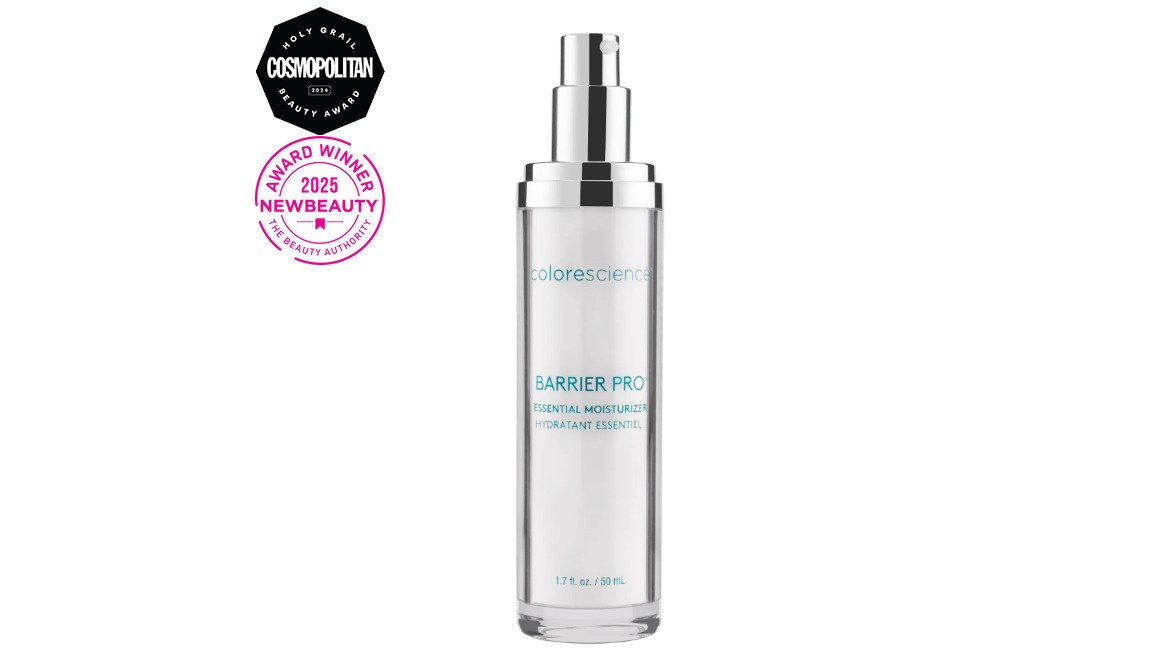
Morning Routine: Cleanse, Hydrate, Protect
Start with a soap-free cleanser and lukewarm water, which cleans without stripping. Follow with a hydrating serum, then a barrier-supporting moisturizer, and finish with sun protection. Our American Academy of Dermatology sun protection guidance recommends daily broad-spectrum SPF, and it matters even more when the barrier is compromised.

Evening Routine: Repair and Restore
Evening is when the skin repair cycle does its heaviest work, so give it support rather than more actives. Cleanse gently, apply a soothing serum, and seal everything with a richer moisturizer. Skip exfoliation entirely until the barrier stabilizes. If redness and itching are intense, a short course of a calming treatment can help, but keep the routine itself boring and consistent.
Anyone whose skin stings, flakes, or reacts to products they once tolerated. If your routine causes more irritation than it fixes, this is your reset.
The Psychological Toll of Persistent Skin Barrier Issues
Chronic barrier problems carry a mental load that most skincare advice ignores. Persistent redness, flaking, and sensitivity affect confidence, social comfort, and how people feel about being seen. Many of our customers describe avoiding photos, canceling plans, and feeling frustrated after spending money on products that made things worse.
Internal Support: Diet, Hydration, and Stress Management
What you eat and how you manage stress shape how quickly skin recovers. Hydration supports moisture retention from the inside. Diets rich in healthy fats, omega-3 fatty acids, and antioxidant-rich vegetables give skin the building blocks for barrier repair. Chronic stress raises inflammation, which slows healing, so sleep and stress management are legitimate skincare steps.
Environmental Factor Mitigation for Barrier Health
Controlling your environment removes the stressors that keep re-damaging a healing barrier. A humidifier in dry rooms reduces transepidermal water loss. Wearing SPF daily limits UV damage to the stratum corneum and supports skin elasticity over time. Gentle, fragrance-free laundry detergent and soft fabrics reduce contact irritation.
Frequently Asked Questions
How can I tell if my skin barrier is damaged?
Look for persistent redness, tightness, flaking, or stinging when you apply products that used to feel fine. Your skin may also feel itchy or reactive to things that never bothered it before. These are classic signs of a damaged skin barrier. A simple test: if your usual moisturizer burns or your face feels tight after cleansing, your barrier is likely compromised.
How long does it take to heal a damaged skin barrier?
Most people see improvement in two to four weeks with a gentle routine, but full recovery can take up to six to eight weeks if the damage is severe. The timeline depends on how much you simplify your routine and avoid irritants. Consistency matters more than speed. If you keep stripping your skin, healing stalls.
Which ingredients should I avoid when my skin barrier is damaged?
Skip retinoids, exfoliating acids (like glycolic and salicylic), scrubs, and anything with fragrance or essential oils. These can further irritate compromised skin. Also avoid alcohol-based toners and harsh cleansers. Instead, reach for gentle, fragrance-free products with ceramides, hyaluronic acid, and niacinamide, which support repair without stinging.
Can a damaged skin barrier heal on its own?
A mildly damaged barrier can recover on its own if you stop irritating it, but most people need to adjust their routine to see real improvement. That means using a gentle cleanser, a barrier-repair moisturizer, and sunscreen daily. Without these changes, the barrier may stay compromised and lead to chronic sensitivity or inflammation.
What is the role of ceramides in skin barrier repair?
Ceramides are lipids that make up a large part of your skin's outer layer. They help hold moisture in and keep irritants out. When your barrier is damaged, ceramide levels drop. Using products with ceramides helps replenish those lipids, improving moisture retention and reducing redness and tightness. Look for ceramides listed among the first few ingredients.
Can stress affect my skin barrier?
Yes. High stress raises cortisol, which can slow skin repair and increase inflammation. That makes it harder for a damaged barrier to heal. Managing stress through sleep, exercise, and relaxation techniques supports your skin's recovery. It's not just about what you put on your face; internal factors matter too.