
How to Choose a Collagen Cream for Your Skin
Table of Contents
- Understanding What Collagen Cream Does and How It Works
- Does Collagen Cream Work: What the Evidence Shows
- Best Ingredients in Anti-Aging Cream to Look For
- Choosing a Collagen Moisturizer for Face by Skin Type
- How to Improve Skin Firmness with the Right Cream
- Comparing Formulas: Rich Creams vs. Lightweight Gel-Creams
- How to Use Collagen Cream in Your Skincare Routine
- What to Know About Product Claims and Realistic Timelines
- Frequently Asked Questions
Last Updated: October 7, 2026
Understanding What Collagen Cream Does and How It Works
A collagen cream is a moisturizer designed to hydrate, firm, and support your skin's texture and appearance. These products contain ingredients that work to nourish dry skin, improve suppleness, and help maintain a smoother, more youthful-looking complexion.
At OC Skin Source, we focus on how to choose a collagen cream that actually matches your skin's needs rather than chasing marketing claims.
Most collagen creams fall into two categories: rich, nourishing formulas for dry and mature skin, and lightweight gel-creams for oily or combination skin types. The formula you choose matters far more than the collagen content alone.
The key is understanding what your skin actually needs and matching it to the right texture and ingredient profile.
Does Collagen Cream Work: What the Evidence Shows
Collagen cream can work, but not in the way many people expect. Topical collagen molecules are too large to penetrate the skin barrier and rebuild collagen deep within the dermis.
The evidence shows that well-formulated collagen creams can improve skin hydration, smoothness, and the appearance of fine lines when used consistently. Many people report softer, more supple skin within a few weeks. However, the results come from the hydration and supporting ingredients, not from collagen itself being absorbed.
Here's what matters:
- Hydration improves texture, plumper, hydrated skin looks smoother and less lined
- Peptides support skin function, these amino acid chains signal your skin to maintain elasticity and firmness
- Antioxidants protect against damage, they help prevent further aging from sun exposure and environmental stress
- Barrier support reduces irritation, a healthy moisture barrier means less redness and sensitivity
If you're looking for dramatic collagen rebuilding, you'd need a prescription retinoid or professional treatment. But for improving skin firmness, hydration, and texture through daily skincare, a quality collagen cream with the right supporting ingredients delivers real, visible results.
Best Ingredients in Anti-Aging Cream to Look For
When you're learning how to choose a collagen cream, the ingredient list tells the real story. Skip the marketing and look for these proven, evidence-backed ingredients that actually improve skin firmness and appearance.
Peptides and Their Role in Skin Support
Peptides are short chains of amino acids that act as messengers in your skin. They signal your skin cells to maintain collagen and elastin production, improve firmness, and support overall skin structure.
Look for peptide-rich formulas on the ingredient list. Common peptides include palmitoyl pentapeptide, acetyl hexapeptide, and copper peptides. These have the most research backing their ability to improve skin firmness and reduce the appearance of fine lines.
The best collagen creams combine multiple peptides in meaningful concentrations. A formula with just one peptide listed near the end of the ingredient list won't deliver noticeable results. You want peptides listed in the first five ingredients.
Hydration and Barrier Support
Hydration is the foundation of any effective collagen cream. Dry skin looks dull, textured, and lined. Hydrated skin looks plumper, smoother, and more youthful. The right hydrating ingredients include:
- Hyaluronic acid, holds up to 1,000 times its weight in water, plumping the skin from within
- Glycerin, draws moisture into the skin and supports the moisture barrier
- Shea butter, deeply nourishes and softens dry, mature skin
- Plant oils, provide emollients and essential fatty acids that repair the skin barrier
These ingredients work best in combination. A cream with only one hydrating ingredient won't be as effective as one that layers multiple hydration strategies.
Antioxidants and Environmental Protection
Your skin faces constant damage from sun exposure, pollution, and free radicals. Antioxidants neutralize this damage and slow visible aging. Look for:
- Vitamin C, brightens skin and supports collagen production
- Vitamin E, protects against free radical damage and supports barrier function
- Grape seed extract, rich in polyphenols that defend against environmental stress
- Fruit extracts, contain natural antioxidants that protect skin health
A quality collagen cream includes at least two antioxidants working together for better protection.
Choosing a Collagen Moisturizer for Face by Skin Type
How to choose a collagen cream depends on your specific skin type and concerns. The wrong formula for your skin type will either feel uncomfortable or fail to deliver results.
For Dry and Mature Skin
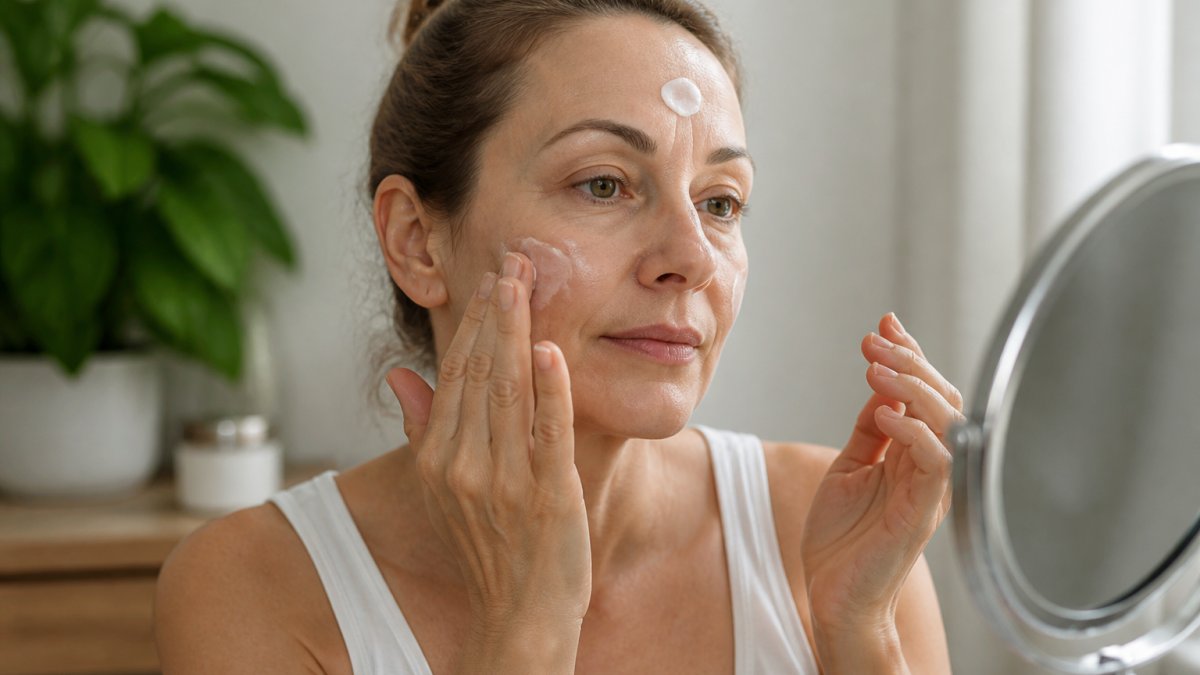
Dry and mature skin needs rich, nourishing collagen creams that provide intense hydration and barrier support. These formulas should feel luxurious and leave your skin feeling soft and comfortable, not tight or flaky.
Look for creams with shea butter, plant oils, and multiple hydrating ingredients. The PCA SKIN Collagen Hydrator is specifically formulated for dry and mature skin.

For very dry or dehydrated skin, apply your collagen moisturizer to damp skin to lock in hydration. Layer it over a hydrating serum for extra nourishment.
For Oily and Combination Skin
Oily and combination skin needs lightweight collagen creams that hydrate without feeling heavy or causing congestion. Look for gel-cream formulas or creams labeled oil-free.
These formulas should hydrate without excess emollients. Hyaluronic acid and glycerin work well for oily skin because they hydrate without leaving a greasy feel. Avoid heavy oils and butters that can clog pores or feel uncomfortable on oily areas.
If you have combination skin, you might use a richer cream only on dry areas and a lighter formula on your T-zone. This targeted approach gives you the hydration you need without overloading oily areas.
For Sensitive Skin
Sensitive skin requires extra care when choosing a collagen cream. Fragrance, essential oils, and common irritants can trigger redness, irritation, or flare-ups. Look for fragrance-free, dermatologically tested formulas with minimal ingredients.
The best collagen creams for sensitive skin focus on barrier support and soothing ingredients. Avoid formulas with alcohol, strong fragrances, or exfoliating actives. If you have rosacea or reactive skin, choose a cream specifically formulated for sensitive skin types.
Test any new cream on a small area first, even if it's labeled for sensitive skin. Everyone's skin is different, and what works for others may not work for you.
How to Improve Skin Firmness with the Right Cream
Choosing the right collagen cream is only half the battle. How you use it matters just as much. Consistent application and proper technique improve results significantly.
PCA SKIN - Collagen Hydrator (1.7 oz) - Available in Deluxe Travel Size →
Apply your collagen cream twice daily, morning and night, for best results. Consistency matters more than the brand or price.
Use the right amount. A pea-sized amount is enough for your entire face. More product doesn't mean better results and can actually feel heavy or cause congestion.
Warm the cream slightly between your palms before applying. This helps it spread evenly and absorb better.
Give it time. Most people see noticeable improvements in skin texture and firmness within 4-6 weeks of consistent use.
Comparing Formulas: Rich Creams vs. Lightweight Gel-Creams
The texture and formula type of your collagen cream affects how well it works for your skin. Understanding the difference helps you choose the right one.
| Formula Type | Best For | Feel | Hydration Level |
|---|---|---|---|
| Rich Cream | Dry, mature, dehydrated skin | Luxurious, nourishing | High |
| Gel-Cream | Oily, combination, normal skin | Light, refreshing | Medium |
| Lightweight Lotion | Very oily skin, humid climates | Thin, absorbs quickly | Lower |
Rich creams contain more emollients and oils. They provide intense hydration and nourishment but can feel heavy on oily skin. These work best applied at night or on very dry areas.
Gel-creams have a lighter texture with hydrating ingredients like hyaluronic acid. They absorb quickly and don't leave a greasy residue. These work well for daytime use and for oily or combination skin types.
The HydroPeptide Collagen ReActivate AM is designed as a daytime lifting treatment that combines peptides and hydration in a formula that absorbs without feeling heavy.

How to Use Collagen Cream in Your Skincare Routine
Knowing how to choose a collagen cream is one thing. Knowing where it fits in your routine is another. Proper layering and timing maximize results.
Layering with Other Active Ingredients
Collagen creams work best as the final step in your routine because they seal in other products and support barrier function. This is the proper order:
- Cleanser, remove dirt and makeup
- Toner or essence, prep your skin
- Serums and treatments, apply active ingredients like vitamin C or peptides
- Collagen cream, seal everything in and provide final hydration
If you use a retinoid or exfoliating acid, apply it before your collagen cream. The cream's hydrating and barrier-supporting ingredients help minimize irritation from actives.
Avoid mixing collagen cream with vitamin C serums or exfoliating acids in the same application. Apply your active treatment first, let it dry, then apply your collagen cream on top.
Day and Night Application
Your skin's needs change between day and night. Adjust your collagen cream application accordingly.
Morning routine: Use a lightweight collagen cream or gel-cream that absorbs quickly and won't interfere with makeup. The COLORESCIENCE Pep Up Collagen Boost works well as a daytime treatment because it hydrates and firms without feeling heavy.

Night routine: Use a richer collagen cream that provides deep hydration while you sleep. Your skin repairs itself at night, so a nourishing formula supports this natural process.
If you have very dry skin, you might use the same rich cream twice daily. If you have oily skin, use a lightweight formula in the morning and a richer one only at night.
What to Know About Product Claims and Realistic Timelines
Marketing claims about collagen creams often promise more than the products can deliver. Understanding what's realistic helps you choose wisely and avoid disappointment.
Claims to ignore:
- "Rebuilds collagen", topical products cannot rebuild deep collagen
- "Lifts and tightens instantly", real results take weeks, not minutes
- "Erases wrinkles", creams improve appearance, they don't erase lines
- "Works like Botox", no topical cream matches prescription treatments
Claims to trust:
- "Improves hydration", this is measurable and happens quickly
- "Improves skin firmness appearance", peptides and hydration do this
- "Smooths texture", hydrated skin looks and feels smoother
- "Reduces fine line appearance", plumper skin makes lines less visible
Realistic timelines matter. Expect:
- Week 1-2: Skin feels softer and more hydrated
- Week 3-4: Texture improves, skin looks smoother
- Week 6-8: Fine lines appear less noticeable, firmness improves
- Week 12+: More significant improvements in skin laxity and deep lines
Results depend on consistency, your starting point, and your skin's individual response. Someone with very dry skin will see faster hydration improvements. Someone with deep wrinkles will need longer to see firmness changes.
The PCA SKIN MGF Age Renewal Cream is specifically formulated for aging and menopausal skin concerns. It combines collagen and elastin support with advanced hydration technology to help visibly restore firmness and fullness over time.
Choosing the right collagen cream means matching your skin type to the right formula and understanding what these products can actually deliver. The difference between a cream that works and one that doesn't comes down to these fundamentals, not price or brand hype. View all brands →
Frequently Asked Questions
Does collagen cream actually work on fine lines and wrinkles?
Collagen creams can help improve the appearance of fine lines by hydrating skin and supporting the skin barrier. While topical collagen itself doesn't directly replace lost collagen, creams with peptides and supporting ingredients help skin retain moisture and may appear firmer and smoother. Results vary by individual, and most people notice visible improvements in skin texture and hydration within 4-6 weeks of consistent use.
What ingredients should I look for in a collagen moisturizer for face?
Look for peptides, which signal skin to support collagen production; hyaluronic acid for hydration; antioxidants like Vitamin C and E for environmental protection; and nourishing oils or butters like shea butter. Avoid products with fragrance or unnecessary irritants if you have sensitive skin. A good collagen moisturizer combines hydration with supportive ingredients rather than relying on collagen alone.
How long does it take to see results from a collagen cream?
Most people see visible improvements in skin hydration and texture within 2-4 weeks. Changes in firmness and fine lines typically become noticeable after 6-8 weeks of consistent daily use. Results depend on your starting skin condition, age, sun exposure, and how well the formula matches your skin type. Patience and consistency matter more than expecting overnight transformation.
Can I use a collagen cream if I have sensitive skin or rosacea?
Yes, but choose carefully. Look for fragrance-free, dermatologically tested formulas without parabens or sulfates. Avoid creams with heavy fragrance or essential oils that may trigger irritation. Start by testing a small amount on a patch of skin first. If you have active rosacea or severe sensitivity, consult a dermatologist before introducing new products, and consider a simpler formula with fewer active ingredients.