
Best Products for Reactive Skin: 2026 Esthetician Picks
Table of Contents
- How to Fix a Damaged Skin Barrier
- Quick Comparison: Best Products for Reactive Skin
- Best Ingredients for Sensitive Skin
- Best Cleanser for Reactive Skin: Face Reality Barrier Balance Creamy Cleanser
- Best Serums for Reactive Skin: Redness Relief and Barrier Support
- Best Moisturizers for Reactive Skin: Ceramides and Lipid Repair
- Skincare Routine for Rosacea: A Calm, Consistent Approach
- Conclusion
- Frequently Asked Questions
Last Updated: September 22, 2026
How to Fix a Damaged Skin Barrier
A damaged skin barrier is the root cause behind most reactive skin, and repairing it is the fastest path to calm, comfortable skin. The barrier is your skin's outermost layer, a mix of lipids, ceramides, and proteins that holds water in and keeps irritants out. When it breaks down, everything stings, flushes, and flares.
The fix is rarely more products. It is fewer, gentler ones.
The best products for reactive skin share three traits: they are fragrance-free, they support the lipid barrier, and they calm inflammation instead of provoking it. Those three filters eliminate most of what triggers a flare-up.
Here is what most guides get wrong: they treat redness as the problem. Redness is the symptom. The barrier is the problem. According to [the American Academy of Dermatology's guidance on sensitive skin(/blogs/journal/skincare-routine-for-sensitive-skin-types) | aad.org], a compromised barrier is a leading driver of stinging, burning, and visible irritation.
So the strategy inverts. Stop chasing redness. Rebuild the barrier, and the redness fades on its own.
Quick Comparison: Best Products for Reactive Skin
| Product | Type | Price | Best For |
|---|---|---|---|
| Face Reality Barrier Balance Creamy Cleanser | Cleanser | $37.00 | Stripping-free daily cleansing |
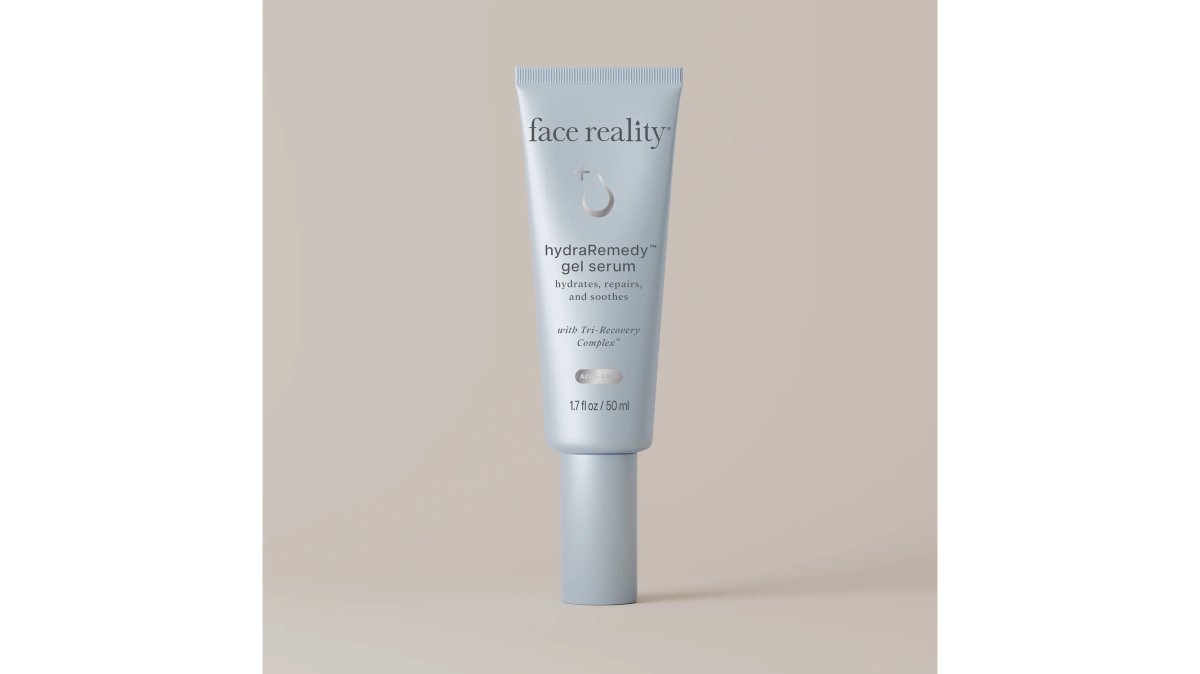
| Face Reality hydraRemedy Gel Serum | Serum | $46.00 | Acne-safe hydration |
| PCA SKIN Anti-Redness Serum | Serum | $72.00 | Visible redness and flushing |
| Face Reality Barrier Care Gel Cream | Moisturizer | $38.00 | Ceramide and lipid repair |
| PCA SKIN Dual Action Redness Relief | Moisturizer | $128.00 | Long-lasting redness support |
| Hydrinity HYACYN ACTIVE | Mist | $60.00 | pH balance and calming |
Best Ingredients for Sensitive Skin
The best ingredients for sensitive skin are ceramides, niacinamide, hyaluronic acid, panthenol, beta-glucan, and colloidal oatmeal. These support the skin barrier, hold water in, and calm visible irritation without provoking a reaction. Skip fragrance, drying alcohols, and harsh exfoliating acids.

Ceramides are the cornerstone. They are lipids your skin already makes, so replenishing them reinforces the barrier structure directly. Look for ceramide NP, ceramide AP, and ceramide EOP on the label, the three most studied skin-identical forms. A ceramide-rich moisturizer applied twice daily is the single most reliable step for reactive skin.
Niacinamide reduces visible redness and supports barrier repair at the same time. Most well-tolerated formulas land between 2% and 5%. Higher concentrations are not automatically better for reactive skin; some people flush at 10% or above, so start low.
Hyaluronic acid, panthenol, and beta-glucan are humectants, they pull water into the skin and reduce transepidermal water loss. Pair them with emollients like squalane or shea butter to seal that moisture in.
A note on cost
Reactive skin does not require a $200 serum. A fragrance-free ceramide moisturizer, a gentle non-foaming cleanser, and a mineral sunscreen can be assembled for well under $60 total at a drugstore. The expensive part of reactive skin is the trial-and-error, buying products that flare you up and starting over. Spending less per product and patch testing more carefully is the actual money-saver.
Beyond the bottle
Few guides connect internal factors to external reactivity, but the link is real for many people. Common patterns include:
- Alcohol and spicy food triggering flushing within minutes in people prone to rosacea.
- High-histamine foods (aged cheese, cured meats, fermented foods) correlating with flares in some individuals.
- Chronic stress raising cortisol, which is associated with barrier disruption and slower healing.
- Hot beverages and hot showers dilating blood vessels and provoking redness independent of any product.
Best Cleanser for Reactive Skin: Face Reality Barrier Balance Creamy Cleanser
Start with the cleanser, because a stripping cleanser undoes everything that follows. Face Reality Barrier Balance Creamy Cleanser ($37.00) is a non-lathering cream formula that removes makeup and daily buildup without stripping moisture.

Best Serums for Reactive Skin: Redness Relief and Barrier Support
Serums do the corrective work, and for reactive skin the priority is calming and hydrating rather than exfoliating. Two stand out for different reasons.
Best Moisturizers for Reactive Skin: Ceramides and Lipid Repair
Moisturizer is where barrier repair actually happens, and ceramides are the ingredient that does the heavy lifting. Face Reality Barrier Care Gel Cream ($38.00) delivers three skin-identical ceramides, squalane, essential fatty acids, and multiple forms of hyaluronic acid in a lightweight gel-cream.
Skincare Routine for Rosacea: A Calm, Consistent Approach
A skincare routine for rosacea should be short, consistent, and boring. Four steps, twice a day: gentle cleanse, soothing mist or serum, barrier moisturizer, and mineral sunscreen. Consistency beats complexity every time.
Patch testing: the step almost everyone skips
Before a new product touches your face, patch test it. Apply a small amount behind your ear or on the inner forearm twice daily for three to five days. If no reaction appears, move to a small patch on the jawline for another three days. Only then introduce it to your full face. This adds a week per product, which is why most people skip it, and why most people keep flaring.
Seasonal adjustments
Reactive skin behaves differently across the year. Cold, dry air strips the barrier in winter, so a richer cream and a humidifier help. Summer heat and humidity provoke flushing, so lighter textures and more frequent sunscreen reapplication matter. Spring pollen and fall temperature swings are common flare windows for people who also have seasonal allergies. The routine stays the same; the texture and frequency shift.
At-home care vs. professional treatment
A consistent home routine handles most reactive skin. In-office options, vascular lasers, intense pulsed light, prescription topicals, exist for persistent redness and are worth discussing with a dermatologist when home care plateaus. The order matters: professionals generally will not treat an actively compromised barrier, because the treatment itself can flare it. Repair the barrier first, then consider intervention.
The part nobody talks about
Chronic reactivity is exhausting. The trial-and-error cycle, buy, flare, discard, repeat, carries a real emotional cost, and it is the reason so many people give up and live with discomfort. Naming that frustration is not soft; it is the reason a simple, boring routine works. When you stop expecting a miracle product and start expecting slow, unglamorous improvement over four to eight weeks, the anxiety drops and the consistency improves.
Conclusion
The hardest part of reactive skin is not finding products. It is trusting a routine long enough to see it work, after years of wasted money and flare-ups.
Frequently Asked Questions
Is reactive skin the same as sensitive skin?
Not exactly. Sensitive skin is often a genetic or long-term skin type, while reactive skin flares in response to specific triggers like new products, heat, stress, or environmental exposure. Reactive skin can affect anyone, even those who never considered themselves sensitive. The fix is usually the same: strip your routine back to gentle, fragrance-free products, support the skin barrier with ceramides and soothing agents, and reintroduce one product at a time so you can identify what caused the reaction.
How can I tell if my skin barrier is damaged?
Common signs include persistent redness, stinging when you apply products that used to feel fine, tightness after cleansing, flaking, and breakouts that appear alongside dryness. A damaged barrier loses water faster, a process called transepidermal water loss, which leaves skin vulnerable to irritants. If several of these signs show up together, pause active ingredients like retinol and exfoliating acids, switch to a creamy cleanser, and use a ceramide-rich moisturizer for two to four weeks before reintroducing anything stronger.
What helps with hypersensitive skin that reacts to almost everything?
Start with the fewest possible steps: a non-lathering cream cleanser, a soothing mist or serum, a barrier-repair moisturizer, and mineral sunscreen. Look for fragrance-free, alcohol-free formulas with ingredients like ceramides, panthenol, beta-glucan, and niacinamide. Patch test every new product on your inner forearm for 48 hours before applying it to your face, and introduce only one new item per week. If your skin still reacts to basics, see a dermatologist to rule out an underlying condition such as rosacea or eczema.
Why is my skin suddenly reactive when it never used to be?
Reactivity often builds up over time rather than appearing overnight. Years of sun exposure, over-exfoliation, harsh cleansers, and layering too many active ingredients can gradually weaken the lipid barrier until skin can no longer tolerate what it once handled. Hormonal shifts, new medications, and increased stress can also play a role. The fix is to simplify: pause exfoliants and retinoids, rebuild the barrier with ceramides and hyaluronic acid, and give your skin four to six weeks of consistent, gentle care before judging results.
Can I use anti-aging products if I have reactive skin?
Yes, but choose them carefully. Instead of starting with strong retinoids or glycolic acid, look for gentler alternatives such as azelaic acid, PHAs like gluconolactone, and peptide serums, which smooth texture and support collagen with far less irritation. Introduce one active at a time, buffer it with a barrier moisturizer, and use it every other night until your skin adjusts. Products formulated with soothing agents alongside the active ingredient, like those combining niacinamide with ceramides, tend to be the easiest starting point.
National Rosacea Society trigger and care guidance