
Best Ingredients for Clearing Cystic Acne
How Ingredients for Cystic Acne Differ From Regular Breakout Treatments
Cystic acne is a severe form of inflammatory acne in which deep, painful nodules form beneath the skin's surface, often without a visible white head.
Three differences separate cystic acne from ordinary breakouts:
- Depth. Cysts form deep in the follicle, so an active ingredient has to penetrate further to do anything.
- Inflammation. Cystic lesions are driven by inflammation as much as by bacteria, so bacteria-killing alone often falls short.
- Scarring risk. Deep inflammation damages tissue, which is why post-inflammatory hyperpigmentation and textural scars are far more common after cystic breakouts.
The American Academy of Dermatology's acne resource center makes the same point: deeper, painful lesions generally need a different level of care than mild surface acne.
That is the throughline below: the best ingredients for clearing cystic acne are not the strongest ones, but the ones that reach the right depth, address inflammation as well as bacteria, and layer without wrecking your skin barrier.
The Best Ingredients for Clearing Cystic Acne, Ranked by What They Actually Do
Four over-the-counter actives have the strongest track record for cystic acne. Each works differently and has a realistic ceiling.
| Ingredient | Primary Job | Typical Strength | How Fast You Might See Change | Main Trade-Off |
|---|---|---|---|---|
| Benzoyl peroxide | Kills acne-causing bacteria | 2.5% to 5% | Several weeks | Dryness, fabric bleaching |
| Salicylic acid | Unclogs pores | 0.5% to 2% | A few days to weeks | Mild irritation |
| Azelaic acid | Calms inflammation, fades marks | 10% | Several weeks | Pilling under makeup |
| Sulfur | Shrinks active inflamed spots | 6% | Days | Can be drying if overused |
Here is what each one realistically does, and how we would use it.
Benzoyl Peroxide: The Bacteria Fighter
Benzoyl peroxide is the most reliable over-the-counter ingredient for inflammatory acne, releasing oxygen inside the pore to reduce acne-causing bacteria.
What most guides miss is that strength is not the goal. Lower concentrations often perform comparably to higher ones with far less irritation, which matters when treating skin for months.
For cystic acne, benzoyl peroxide helps with inflammation but will not flatten a deep nodule overnight. Expect gradual change, not a rescue treatment.
If your skin tolerates 2.5% well, stepping up to a higher strength is the standard next move. For those ready for more, FACE REALITY - 5% Advanced Acne Med ($30.00) delivers the same technology at a stronger level.

One practical warning: benzoyl peroxide bleaches fabric. Let it dry completely before you touch a towel or pillowcase.
Salicylic Acid: The Pore Unclogger
Salicylic acid is a beta hydroxy acid that dissolves the oil and dead skin cells plugging a pore. Being oil-soluble, it travels into the pore lining where congestion starts.
Its honest limitation is depth. Salicylic acid is excellent for comedones, blackheads, and pre-breakout congestion, but less effective against a fully formed cyst deep in the dermis.
Concentration matters less than consistency here. A daily toner or serum at a modest strength usually beats an occasional high-strength peel.
We like FACE REALITY - Sal-C Toner ($31.00) as a daily step because it pairs salicylic acid with vitamin C, so it exfoliates gently while helping with the dullness that acne-prone skin often develops.
Azelaic Acid: The Inflammation and Mark Fader
Azelaic acid is what we reach for most when someone has both active breakouts and lingering marks. It calms redness, helps with blemishes, and evens skin tone.
That combination matters for cystic acne: deep lesions leave dark spots that can outlast the breakout by months, and azelaic acid addresses inflammation and discoloration in one step, which few other actives do.
It is also one of the gentler options, so it suits sensitive and redness-prone skin that cannot tolerate stronger acids.
ANFISA SKIN - ÂN-DEW 10% Azelaic Acid + PHA Serum ($196.00) pairs 10% azelaic acid with PHA gluconolactone, a gentler exfoliating acid, plus licorice root and Kakadu plum for brightening.
Sulfur: The Fast Spot Treatment
Sulfur is the oldest acne ingredient here and still one of the most useful for active, inflamed spots, absorbing excess oil and calming surface redness.
Sulfur earns its place as a targeted spot treatment, not a full-face routine. It will not prevent new cysts or reach a deep nodule, but it makes an angry, red pimple look calmer faster.
FACE REALITY - Sulfur Spot Treatment ($35.00) uses 6% sulfur in a lightweight gel that dries nearly invisible, so you can wear it during the day. Apply it only to active blemishes, let it dry for a minute or two, then follow with moisturizer.
Benzoyl Peroxide for Cystic Acne: Strength, Timing, and What to Expect
Benzoyl peroxide for cystic acne works best at the lowest strength your skin tolerates, applied consistently rather than aggressively.
A sensible introduction schedule looks like this:
- Weeks 1 to 2: Apply 2.5% every other night to affected areas only.
- Weeks 3 to 4: Move to nightly if there is no significant irritation.
- Week 5 onward: Increase strength only if your skin has adjusted and results have plateaued.
Apply to clean, completely dry skin, since moisture increases penetration and irritation. Follow with a non-comedogenic moisturizer and broad-spectrum SPF 30 or higher every morning, as benzoyl peroxide makes skin more sun-sensitive.
Expect the first visible change in weeks, not days. Full results typically take longer, and we will cover that timeline below.
FACE REALITY - 5% Advanced Acne Med (1.5 oz - 44 ml) →
Ingredients to Avoid or Use With Caution When You Have Cystic Acne
Some popular ingredients do more harm than good on cystic skin.
Coconut oil and heavy occlusive oils. These sit on the surface and can trap debris in already-congested pores.
Alcohol-based toners. The immediate tightening feels like progress. It is not. Stripping oil triggers a rebound in oil production and irritates the barrier.
Multiple strong acids at once. Glycolic acid, salicylic acid, and a retinoid in the same routine is a recipe for irritation.
Fragrance-heavy products. Fragrance is a common trigger for redness and irritation, and irritated skin heals more slowly.
If you are pregnant or breastfeeding, check with your clinician before starting any new active.
A Cystic Acne Skincare Routine That Layers Actives Safely
A cystic acne skincare routine works when it is boring and consistent, not packed with actives. The goal is to clear breakouts without damaging your skin barrier.
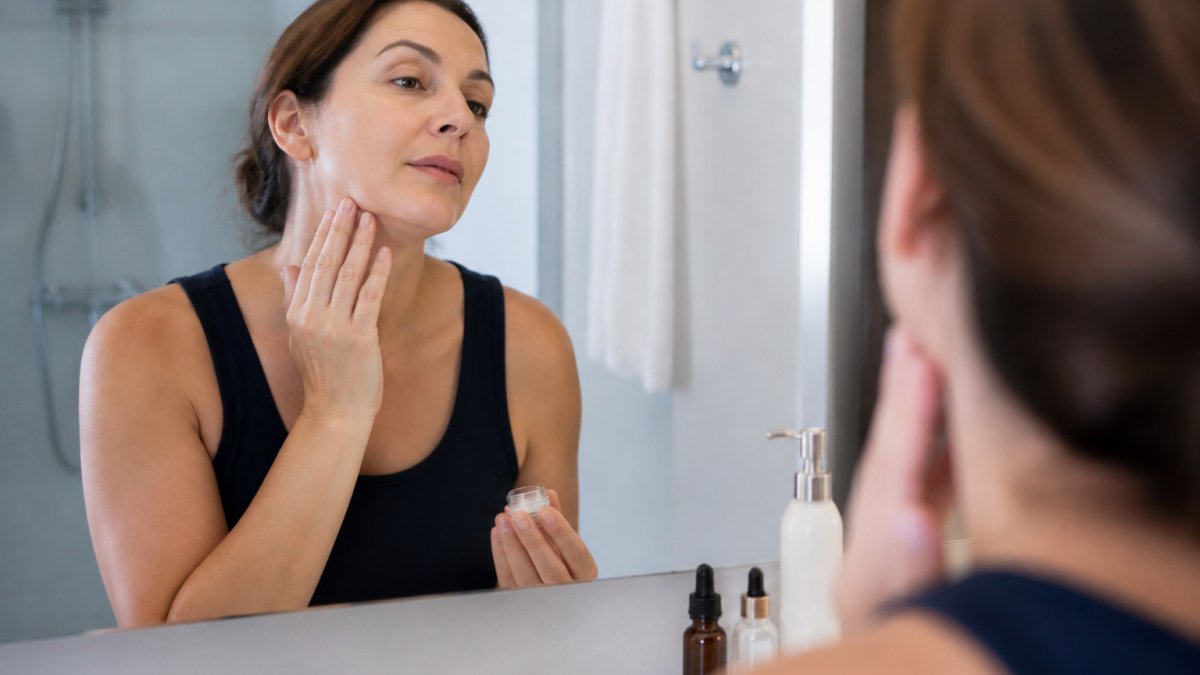
Here is the structure we recommend, morning and evening.
Morning:
- Gentle cleanser. PCA SKIN - Facial Wash Oily/Problem ($46.00) removes excess oil and debris without stripping the barrier.
- Salicylic acid toner, if your skin tolerates it. FACE REALITY - Sal-C Toner ($31.00) fits here.
- Moisturizer, always.
- Broad-spectrum SPF 30 or higher.
Evening:

- Cleanse and let skin dry completely.
- Benzoyl peroxide treatment on affected areas, starting at 2.5%.
- Azelaic acid serum if you are targeting marks and redness.
- Moisturizer to seal in hydration.
Rules for layering:
- Never introduce two new actives in the same week.
- Alternate nights if your skin is reactive.
- If you feel stinging, burning, or tightness, stop the newest product for a week.
If you would rather not build this from scratch, FACE REALITY - Acne-Safe Kit for Oily Skin ($132.00) covers the cleanser, toner, hydrator, and moisturizer foundation, and FACE REALITY - Acne-Safe Kit for Dry or Sensitive Skin ($138.00) does the same for skin that is dry or reactive. Neither kit contains the professional-strength actives, so they work as the base layer you add treatments to.
The Best Treatment for Cystic Acne: When Over-the-Counter Care Is Not Enough
The best treatment for cystic acne is over-the-counter care for mild, occasional lesions and professional treatment for deep, painful, or scarring nodules. That line matters, and most people cross it too late.
See a dermatologist or licensed professional if any of the following apply:
- You have nodules or cysts that are painful to the touch
- Breakouts are leaving marks or indentations
- Over-the-counter actives have not helped after three months of consistent use
- You are developing new cysts while old ones are still healing
- The acne is affecting your confidence or daily life
Prescription options exist for a reason, and there is no prize for waiting. The American Academy of Dermatology's guidance on when to see a dermatologist is clear that early treatment reduces the risk of permanent scarring.
This is where professional-grade skincare earns its place. Products formulated for professional use, like the ones we carry, use the same actives at concentrations and delivery systems designed to work harder without unnecessary irritation.
How Long Does Cystic Acne Treatment Take?
Cystic acne treatment takes roughly six to twelve weeks before meaningful, lasting change, whether you use over-the-counter actives or prescription treatment. Anyone promising faster results is selling something.
Here is how the timeline typically breaks down:
| Timeframe | What You Can Reasonably Expect |
|---|---|
| Weeks 1 to 2 | Possible purging or mild irritation as skin adjusts |
| Weeks 3 to 4 | Fewer new surface breakouts, calmer redness |
| Weeks 6 to 8 | Visible reduction in active lesions |
| Weeks 10 to 12 | Clearer overall tone, fading of post-acne marks |
Deep cystic lesions heal more slowly than surface pimples because inflammation sits lower in the skin. Marks can take months to fade after the breakout resolves, which is why azelaic acid and daily sun protection matter in the later stages.

Consistency beats intensity: a modest routine followed daily for three months will nearly always outperform a harsh routine abandoned after two weeks.
Cystic acne is stubborn, and trial-and-error rarely ends well when you are guessing alone.
Frequently Asked Questions
What is the best ingredient for treating cystic acne?
There is no single winner, because cystic acne involves bacteria, clogged pores, and deep inflammation at once. Benzoyl peroxide targets acne-causing bacteria inside the pore, salicylic acid helps unclog pores, and azelaic acid calms redness and fades post-acne marks. Most people see the best results combining two of these rather than relying on one. Start with one active, let your skin adjust for two to three weeks, then add the second.
Can salicylic acid help cystic acne?
Salicylic acid helps with the clogged-pore side of cystic acne. It is oil-soluble, so it works into pores to break down excess oil and dead skin cells that lead to comedones. It will not shrink a deep cyst overnight, and it does not address the bacteria driving inflammation. Think of it as a supporting ingredient: it keeps pores clearer so new cysts form less often, especially in a daily toner or a low-percentage serum.
Does benzoyl peroxide work on cystic acne?
Yes. Benzoyl peroxide is one of the most studied acne ingredients and works by reducing acne-causing bacteria while penetrating clogged pores. For cystic acne, lower concentrations used consistently often perform as well as higher ones with less dryness. Many people start at 2.5% and move up only after their skin adjusts. Benzoyl peroxide can bleach fabrics, so let it dry fully before touching towels or pillowcases.
What ingredients should you avoid if you have cystic acne?
Skip heavy oils, thick balms, and anything labeled non-comedogenic only in the fine print, since these can feed congestion. Be cautious layering multiple exfoliating acids, such as glycolic acid with salicylic acid, in the same routine, because a damaged skin barrier makes inflammation worse. If you are pregnant or breastfeeding, check with your doctor before starting retinoids or high-strength salicylic acid products.
How long does it take for cystic acne treatments to work?
Expect four to six weeks before you notice fewer new breakouts, and eight to twelve weeks for meaningful change in deep cysts and post-acne marks. Cystic acne sits deeper in the skin than surface pimples, so results move more slowly. If you have used a consistent routine for three months with no improvement, or if cysts are painful or leaving scars, that is the point to see a dermatologist about prescription options.