
Best Hormonal Acne Skincare for Sensitive Skin
Table of Contents
- Understanding Hormonal Acne and Sensitive Skin
- Key Ingredients for Sensitive Skin with Hormonal Acne
- Ingredients to Avoid for Hormonal Acne
- How to Fix Damaged Skin Barrier During Acne Treatment
- Dermatologist Recommended Routine for Hormonal Acne
-
Top Medical-Grade Products for Hormonal Acne and Sensitive Skin
- Complete Four-Step Foundation: Face Reality Acne-Safe Kit
- Advanced Brightening for Post-Acne Marks: ANFISA ÂN-DEW Azelaic Acid Serum
- Intensive Hydration Layer: Face Reality hydraRemedy Gel Serum
- Barrier Repair and Resilience: Face Reality Barrier Care Gel Cream
- Gentle Daily Cleansing: Face Reality Ultra Gentle Gel Cleanser
- Microbiome Balance and Inflammation Control: Hydrinity HYACYN ACTIVE
- Targeted Blemish Support: Face Reality Sulfur Spot Treatment
- Building Your Hormonal Acne Routine for Sensitive Skin
- Frequently Asked Questions
Last Updated: October 1, 2026
Understanding Hormonal Acne and Sensitive Skin
Hormonal acne and sensitive skin often go hand in hand, creating a frustrating cycle where breakouts trigger irritation, and irritation makes skin more prone to breakouts. The challenge with best hormonal acne skincare for sensitive skin lies in finding products that treat blemishes without compromising the skin barrier.

Hormonal acne typically appears along the jawline, chin, and lower face, driven by androgen fluctuations that increase sebum production (the American Academy of Dermatology). Sensitive skin has a compromised barrier, reduced tolerance to actives, and heightened inflammation. When both exist simultaneously, aggressive treatments can worsen sensitivity, while overly gentle routines may fail to address breakouts.
The most effective approach prioritizes barrier repair alongside acne management, selecting ingredients that address hormonal breakouts while strengthening the skin's protective function.
Key Ingredients for Sensitive Skin with Hormonal Acne
When selecting the best hormonal acne skincare for sensitive skin, understanding which ingredients work synergistically is critical. Some are gentler than others while maintaining efficacy.
Azelaic acid is a dermatologist-favorite for sensitive, acne-prone skin. It reduces redness, calms inflammation, and addresses post-inflammatory hyperpigmentation. Unlike stronger acids, it's gentler on the barrier and suitable for daily use, regulating sebum production without excessive irritation.

Niacinamide regulates sebum, strengthens the barrier, reduces inflammation, and supports the skin microbiome, ideal for hormonal acne with sensitivity.
Salicylic acid (BHA) penetrates pores effectively but can be drying. For sensitive skin, use lower concentrations (0.5-1%) sparingly, paired with barrier-supporting hydration.
Sulfur absorbs excess oil, reduces inflammation, and supports a clearer complexion, a reliable option for sensitive skin needing targeted blemish support.
Peptides strengthen the barrier and improve resilience, reducing transepidermal water loss and supporting skin structure.
Ceramides and essential fatty acids are non-negotiable for barrier repair. These lipid components help restore the skin's natural protective function, which is often compromised during acne breakouts or from using drying treatments.
| Ingredient | Best For | Gentleness Level | Frequency |
|---|---|---|---|
| Azelaic Acid | Redness, post-acne marks, hormonal breakouts | High | Daily |
| Niacinamide | Sebum control, barrier repair, inflammation | High | Daily |
| Salicylic Acid (low %) | Congestion, pore clarity | Medium | 2-3x weekly |
| Sulfur | Inflamed blemishes, oil control | Medium-High | As needed |
| Peptides | Barrier strength, resilience | High | Daily |
| Ceramides | Barrier repair, hydration | High | Daily |
Ingredients to Avoid for Hormonal Acne
Not all skincare ingredients are appropriate when managing hormonal acne with sensitive skin. Certain components can trigger inflammation, disrupt the barrier, or worsen breakouts despite their popularity in acne-focused products.
Benzoyl peroxide is effective for bacterial acne but notoriously drying for sensitive skin. If necessary, use 2.5% concentration paired with aggressive hydration and barrier support.
Strong retinoids like tretinoin or adapalene can exacerbate sensitivity initially. Introducing them during active hormonal acne requires careful timing and professional guidance.
Fragrance and essential oils are common irritants for reactive skin. Opt for fragrance-free formulations.
Alcohol denat (denatured alcohol) is drying and disrupts the barrier. Avoid products listing "alcohol" or "alcohol denat" early in formulations.
Physical exfoliants (scrubs, brushes) cause micro-tears and trigger inflammation. Use chemical exfoliation at low concentrations instead.
High concentrations of acids create excessive irritation and damage the barrier.
Pore-clogging ingredients like certain silicones and heavy oils worsen hormonal acne. Look for non-comedogenic formulations.
How to Fix Damaged Skin Barrier During Acne Treatment
A compromised barrier is both a symptom of hormonal acne and an obstacle to treatment success. Weakened barriers allow products to penetrate too deeply, causing excessive irritation.
Barrier repair requires temporarily reducing actives while prioritizing hydration, lipid replenishment, and anti-inflammatory support.
Hydration is the first step. Use hydrating serums with humectants like hyaluronic acid and glycerin to attract moisture and support barrier repair.
Lipid replenishment comes next. Ceramides, cholesterol, and essential fatty acids are structural barrier components. Products with ceramide complexes restore the protective lipid bilayer.
FACE REALITY - Acne-Safe Kit for Dry or Sensitive Skin →
Reduce active ingredients temporarily. Scale back to one gentle option or pause entirely for 2-4 weeks to allow barrier recovery.
Add barrier-supporting moisturizers. Look for skin-mimicking technology with ceramides, peptides, and soothing ingredients like centella asiatica.
Avoid hot water and harsh cleansing. Use lukewarm water and gentle, creamy sulfate-free cleansers to preserve natural oils and microbiome balance.
Support the skin microbiome. Use microbiome-friendly products and avoid over-cleansing or harsh antiseptics that disrupt bacterial balance.
Dermatologist Recommended Routine for Hormonal Acne
A dermatologist-recommended routine for best hormonal acne skincare for sensitive skin follows a specific structure: cleanse, hydrate, treat, support barrier, protect with SPF. Order matters significantly.
Morning Routine:
- Cleanse with a gentle, non-stripping cleanser
- Apply a hydrating toner or essence to prep the skin
- Use a targeted serum (azelaic acid or niacinamide)
- Apply a lightweight, barrier-supporting moisturizer
- Finish with broad-spectrum SPF 30 or higher
Evening Routine:
- Cleanse thoroughly to remove makeup and daily impurities
- Apply a hydrating toner
- Use your acne treatment (if rotating in a retinoid or stronger active)
- Apply a hydrating serum or gel
- Finish with a richer moisturizer for overnight barrier repair
Key Principles:
- Allow 30-60 seconds between products for absorption
- Rotate actives rather than layering them nightly
- Introduce one product at a time, waiting 1-2 weeks before adding another
- Consistency matters more than complexity
The moisturizer is essential for barrier integrity and treatment tolerance, don't skip it.
Top Medical-Grade Products for Hormonal Acne and Sensitive Skin
Complete Four-Step Foundation: Face Reality Acne-Safe Kit
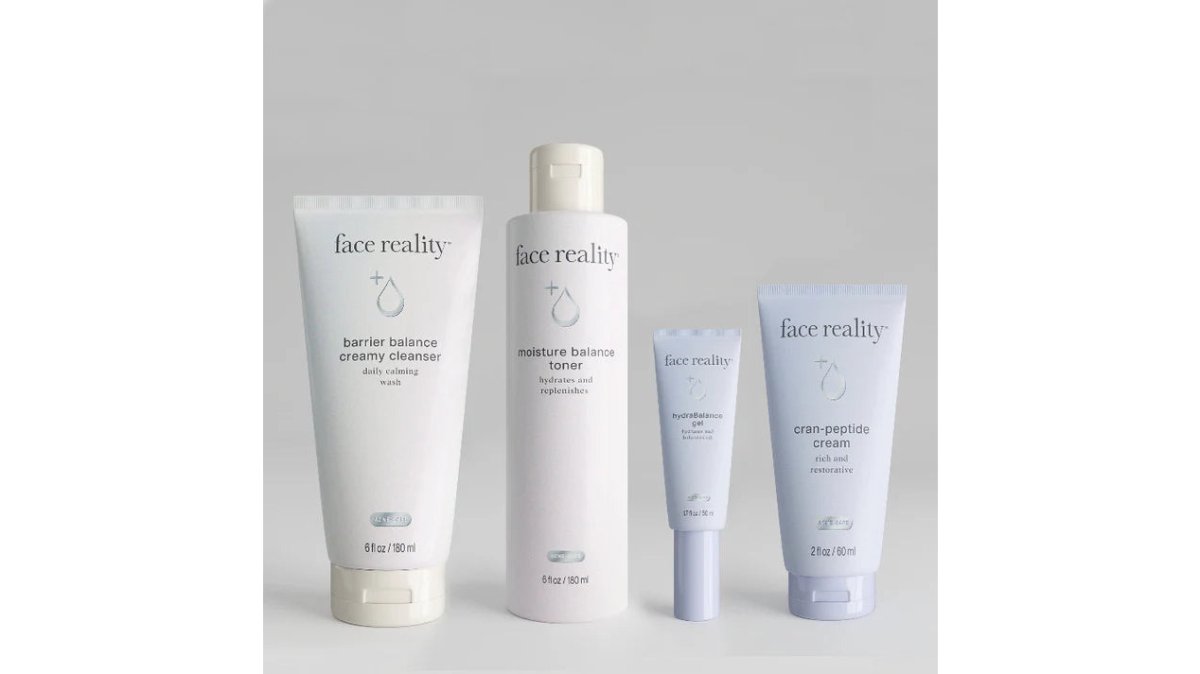
The FACE REALITY - Acne-Safe Kit for Dry or Sensitive Skin ($138.00) is purpose-built for hormonal acne in sensitive skin. This professionally curated four-step system addresses the core challenge: treating breakouts without compromising barrier health.
Advanced Brightening for Post-Acne Marks: ANFISA ÂN-DEW Azelaic Acid Serum
The ANFISA SKIN - ÂN-DEW 10% Azelaic Acid + PHA Serum ($196.00) is a game-changer for hormonal acne with sensitive skin, particularly when post-inflammatory hyperpigmentation is a concern.
Intensive Hydration Layer: Face Reality hydraRemedy Gel Serum
The FACE REALITY - hydraRemedy™ Gel Serum ($46.00) is a lightweight hydrating serum designed to support the skin barrier while calming redness and irritation. This product is particularly valuable when using acne treatments that dry the skin.

Barrier Repair and Resilience: Face Reality Barrier Care Gel Cream
The Face Reality - Barrier Care Gel Cream ($38.00) strengthens the barrier with skin-mimicking technology delivering ceramides, essential fatty acids, and hyaluronic acid.
Gentle Daily Cleansing: Face Reality Ultra Gentle Gel Cleanser
The Face Reality - Ultra Gentle Gel Cleanser ($33.00) effectively removes makeup and oil without stripping or disrupting the barrier.
Microbiome Balance and Inflammation Control: Hydrinity HYACYN ACTIVE
The HYDRINITY - HYACYN ACTIVE ($60.00) is a treatment mist with hypochlorous acid (HOCl), naturally produced by the immune system. It calms redness, soothes irritation, and supports healing while maintaining microbiome balance.
Targeted Blemish Support: Face Reality Sulfur Spot Treatment
The FACE REALITY - Sulfur Spot Treatment ($35.00) is a professional-grade treatment with 6% sulfur that reduces inflamed lesions and redness without excessive drying.
Building Your Hormonal Acne Routine for Sensitive Skin
The structure of your routine matters as much as the individual products. A well-designed regimen for best hormonal acne skincare for sensitive skin layers hydration, barrier support, and targeted treatment in a specific sequence.
Frequently Asked Questions
What ingredients are safe for hormonal acne and sensitive skin?
Azelaic acid, niacinamide, salicylic acid, and ceramides are well-tolerated by sensitive skin while addressing hormonal acne. Azelaic acid reduces redness and helps with post-inflammatory hyperpigmentation. Niacinamide calms inflammation without irritation. Salicylic acid gently exfoliates without harsh stripping. Ceramides and peptides strengthen the skin barrier, which is critical when treating acne. Always patch test new products and introduce them gradually.
How can I treat hormonal acne without damaging my skin barrier?
Maintain consistent hydration with acne-safe moisturizers containing hyaluronic acid and ceramides. Use a gentle, non-lathering cleanser that doesn't strip natural oils. Layer hydrating serums under treatment products to buffer irritation. Avoid combining multiple active ingredients at once, especially when starting. The Face Reality Acne-Safe Kit is designed specifically to cleanse, hydrate, and support acne-prone skin without compromising barrier health.
What should I avoid in skincare if I have hormonal acne and sensitive skin?
Avoid harsh sulfate cleansers, high concentrations of benzoyl peroxide without hydration support, and pore-clogging oils like coconut oil. Skip fragrance, essential oils, and alcohol-based products that irritate reactive skin. Don't use multiple exfoliating acids simultaneously. Avoid over-cleansing or using hot water, which strips the barrier. Products marketed as 'drying out acne' often damage sensitivity further. Focus instead on barrier-supportive, non-comedogenic formulations.
How do I know if my acne is hormonal?
Hormonal acne typically appears along the jawline, chin, and lower face and worsens during specific points in your menstrual cycle. Breakouts are usually inflammatory (red, tender pustules) rather than comedonal (blackheads). Hormonal acne often persists into adulthood and doesn't respond well to standard acne treatments alone. If breakouts follow a predictable monthly pattern and cluster in the lower face, hormonal factors are likely involved. Consult a dermatologist for confirmation and to discuss treatment options.
Can medical-grade skincare help with hormonal acne?
Yes, medical-grade skincare with proven ingredients like azelaic acid, niacinamide, and salicylic acid can significantly improve hormonal acne, especially when formulated for sensitive skin. Products from brands like Face Reality are designed to address breakouts while maintaining barrier health and reducing irritation. Medical-grade options contain higher concentrations of active ingredients and are formulated with skin-mimicking technology that supports long-term skin resilience. However, persistent hormonal acne may also require dermatological treatment or hormonal evaluation.